
Concreting in Sydney
Slip-resistant concrete finishes in Sydney
A textured coat for sloped driveways, pool surrounds, ramps, walkways and entrances across greater Sydney, on new concrete or concrete that is already there. The grip sits in the surface itself rather than in anything laid over the top of it.
Licensed and insured. Same day service.
Where it goes
Six places grip is worth paying for
Sloped driveways
Sydney is built on hills, and a smooth trowelled drive on a slope is a skid pan the moment it rains. This is what most calls about grip turn out to be.
See drivewaysPool surrounds
Wet feet, bare feet and people moving quickly. The texture has to hold when the surface is soaked without being coarse enough to take skin off a knee, and that balance is the whole decision here.
Entrances and thresholds
The couple of steps between a wet path and a dry floor is where people actually go over, because the surface changes at exactly the moment the sole of the shoe is wet.
Ramps and access paths
Where a slope exists so that somebody can get in, grip stops being a preference. A wet ramp with a smooth finish is the worst surface on any property.
Shaded paths that never dry
A path down the south side grows a film of algae that is far more slippery than the concrete under it. Worth a clean before anything else, because that is sometimes the entire answer.
See pressure cleaningWalkways and loading areas
Where other people walk and somebody carries the duty of care. Slip resistance in Australia is a measured property with its own test and its own classes, so a commercial or strata specification will usually name one rather than say non slip.
Jobs that come up in the same conversation, each a different answer to a different problem:
How the grip gets into the surface
Before anything
Work out why it is slippery
Sometimes the concrete is perfectly good and the problem is a film of algae on top of it, or a glossy sealer somebody rolled on years ago. Those are different jobs, and one of them is a great deal cheaper than this one. Wet the surface and put a hand on it. Thirty seconds tells you most of it.
If the slab is new
Let it cure first
Fresh concrete keeps giving up moisture for weeks and nothing bonds properly over that. A new pour is left alone until it has finished curing, and the trade's rule of thumb for that is twenty eight days. Coating it early does not save time. It costs you the coat.
Then
Clean, and degrease as well
Pressure cleaning takes off dirt, algae, leaf stain and loose material. Oil needs a degreaser on top of that, because pressure alone just moves it around and pushes some of it deeper. Nothing sticks to oil, and a patch that lifts in six months is almost always a patch that had oil under it.
Next
Take off what is loose and fix what is broken
Spalled patches, flaking old coatings and crumbling edges come off, because a new surface is only ever as sound as the one underneath it. A coating laid over a loose layer takes that loose layer with it when it goes.
Before the base coat
Prime it
A penetrating primer soaks into the concrete and gives the base coat something to hold onto. It is also the step that exposes any area still holding moisture, which is much better found now than after the aggregate is down.
The part that matters most
Broadcast the aggregate into a wet coat
The base coat goes on and, while it is still wet, the anti skid aggregate is broadcast into it across the whole area. Even coverage here is the entire job. A thin patch is a slippery patch, and nobody can see the difference until the first time it rains.
Then
Lock it in without burying it
A sealing coat goes over the top to hold the aggregate in place. The judgement is how much. Too little and the texture sheds. Too much and the coat fills the texture back in, which leaves you a smooth surface reached by a longer route.
Then keep off it
Cure, feet, then wheels
A textured coat is walked on long before it is driven on, and the first wheel to turn on the spot is the test it is least ready for. How many days that takes belongs on the quote, because it moves with the product and with the week you are in.
On a new slab, or on the one you already have
Two very different starting points. On a new pour the cheapest grip is a decision made before the concrete arrives. On an existing slab the job is deciding what has to come off first.
The best time to solve a slip problem is before the truck turns up, and the first thing worth saying is that it may cost you nothing at all.
The free options. A broom finish puts texture into the surface as it is being finished, and brooming across a slope rather than down it gives you more to hold onto. Exposed aggregate does the same thing with stone. Both are decisions made on the day of the pour, and both are a great deal cheaper than coating a smooth slab a year later because it turned out to be treacherous.
When a coating is still the answer. Where the fall is severe, where the surface is around a pool, or where a specification calls for a measured level of slip resistance. In those cases the slab still has to cure first, and a new pour that has never seen oil or a sealer is the best possible surface to bond to.
What ruins it. Coating a slab that has not finished curing. The moisture still leaving the concrete has nowhere to go and it pushes the coat off from underneath.
Local conditions
What makes a Sydney surface slippery
The hills
A great deal of Sydney housing sits on a slope, and a steep drive that was finished smooth is the single most common grip problem on a property. The steeper the fall, the less margin a wet surface leaves you.
Algae on the shaded side
The green black film that grows on a path down the south side of a house, or under a tree, is far more slippery than the concrete beneath it. This is the one worth testing before you spend anything, because a clean can be the whole fix.
Pools, and bare feet
A pool surround is wet most of the summer and it is walked on by people with no shoes on. That rules out the coarse grades that suit a workshop floor, so the grade of the aggregate becomes the real decision rather than an afterthought.
A glossy sealer already on there
A film forming sealer laid over smooth concrete can make a surface more slippery than it was before, and plenty of the slabs we are asked to fix are exactly that. It has to come off, or at least be tested, before anything else goes on.
Six dry weeks, then a downpour
Sydney does long dry stretches and then a serious amount of rain in an afternoon. A surface is only as good as its worst day, and the worst day is not the one anybody inspects it on.
Strata, and the duty of care
On common property and commercial ground somebody is responsible when a person goes over. Slip resistance in Australia is measured with a standard test and reported as a class, which is why a specification names one instead of saying non slip, and why a written scope beats a promise.
Where a slip-resistant finish earns its place
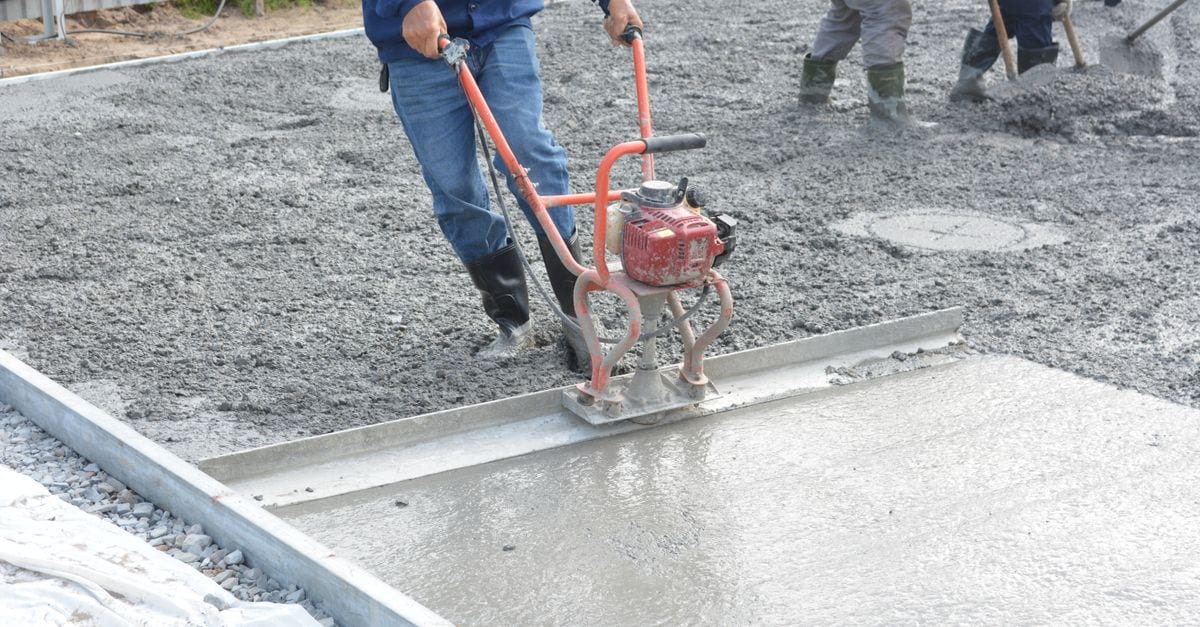
Questions people ask about grip
The ones that come up once a surface has already caught somebody out.
Get a quote for a safer surface
Tell us where the surface is, roughly how big it is, how steep it runs, and whether anything has ever been coated onto it. A photo taken while it is wet is worth more than a description.