
Interior painting in Sydney
Interior painting for Sydney homes and offices
Walls, ceilings, doors, skirting and architraves, one room or the whole house. Surfaces are filled, sanded and primed before a topcoat goes near them, and the work is staged so you can keep using the rooms nobody is in.
Licensed and insured. Same day service.
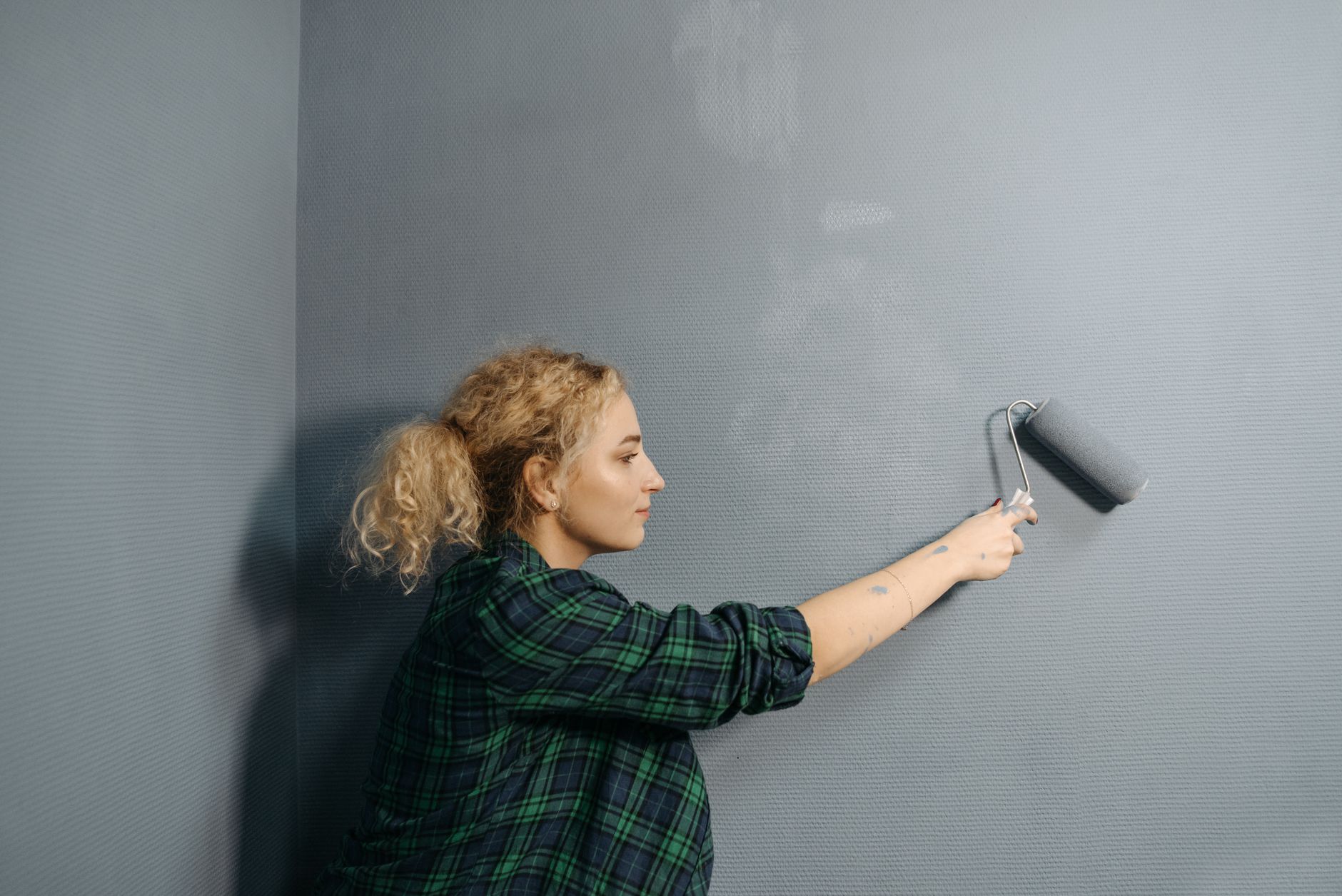
Inside work
What an interior job actually covers
Walls and ceilings
Wall area, ceiling height and the number of corners in a room set the time on site, not the colour. A stairwell with the same square metres in it is a different job to a bedroom.
See wall paintingDoors, skirting and architraves
Trim takes knocks, shoes and cleaning, so it gets a harder finish than the wall beside it. It is brush work, and it is slow, and it is what makes a room look finished.
See skirting and architravesWindow reveals and door frames
Old enamel and gloss will not hold a new coat on their own. Reveals, sashes and frames are sanded to a key first, which is the step that decides whether it lasts.
See doors and windowsKitchens, bathrooms and laundries
Cooking grease and soap film reject a topcoat. Wet areas get a sugar soap wash before anything else happens, and mould in the corners is treated rather than painted over.
See repaintingStairwells, hallways and high ceilings
The parts of a terrace nobody reaches off a step ladder. How the height is worked is agreed at the quote, because it changes the day rather than the finish.
See all painting workOffices, shops and strata common areas
Inside work where the place has to keep trading. The loud and smelly parts go after hours or across a weekend, and low VOC products get the space back in use sooner.
See commercial paintingHow a week of interior painting runs in an occupied house
Day one, before anything
The room is emptied to the middle
Furniture comes off the walls and into the centre under cover, curtains, wall hangings and switch plates come down, and drop sheets go over the floor. A room that is half cleared gets painted around, and you can see where afterwards.
Then
Wet areas get a sugar soap wash
Kitchens, bathrooms and laundries carry cooking grease and soap film, and paint will not bond to either. Everywhere else gets a dust off, because a roller picks up whatever is sitting on the wall and carries it through the coat.
Next
Fill, sand and caulk
Nail holes, dents and chipped corners are filled and sanded flush. In a house somebody is living in, the filling for a whole floor tends to be done in one hit and the sanding in another, because it is the dust that decides how much of the house is out of action, not the paint. The gap where the trim meets the wall takes a bead of flexible sealant once that sanding is finished, since caulk is the one thing on a wall you cannot sand back.
Before any colour
Seal the patches, block the stains
Fresh filler and bare plaster drink a topcoat and dry to a different sheen, so every patch is spot primed. A water stain needs a stain blocking sealer, because ordinary paint lets it bleed back through within weeks.
First coat
Ceilings, then walls, then trim
The work runs top down so anything that drips lands on a surface that is not finished yet. Edges are cut in by brush and the field is rolled into the wet edge before it sets, which is what stops the join showing from the doorway.
Second coat, and after
The room goes back together
Two coats is standard on a repaint. Walls are touch dry within a couple of hours, but the film keeps hardening for days, so furniture stays off the walls overnight and anything hung on them waits longer than that.
Three ways an interior job gets staged
The preparation is the same in all three. What changes is how much of the house is out of action at once, and for how long.
A bedroom, a living room or a hallway on its own. The room is cleared into the next one, painted, put back, and then the next room starts. Nothing else in the house stops.
What it suits. A house with children, pets or somebody working from home, where losing the whole place for a week is not on. It is the slowest way to paint a house and the easiest one to live through.
What to watch. Colours signed off one room at a time drift. If the hallway and the bedrooms are meant to match, decide them together and brush the colour out on one wall before any of it is committed.
Local conditions
What a Sydney home adds to an interior job
Humidity stretches the drying
Through a humid February the wait between coats gets longer, not shorter. Recoating early drags the first coat and traps solvent in the film, and the sheen ends up uneven across the wall.
Terraces and semis
Narrow stairs, a shared wall and no side access. Furniture cannot always leave the room, so it is stacked and covered in the middle and the room is worked around it.
Strata blocks
Lifts have to be booked, the by laws set the hours work can be noisy, and common area colours need the committee. That lead time belongs in the quote, not in a surprise on the morning.
Older plaster, older trim
Lath and plaster cracks along the lath lines and sounds hollow when you tap it, so a crack there is filled as a movement crack. The oil based enamel on old trim has to be sanded to a key before anything water based will hold on it.
Wet areas that do not vent
A bathroom with no window grows mould in the corners and across the ceiling. It is treated rather than painted over, or it comes back through the new coat inside a season.
West facing rooms in summer
A west facing room in January gets hot enough to flash a wall coat off before it can be rolled out, so those rooms are done in the morning and the east facing ones after lunch.
Inside work, room by room
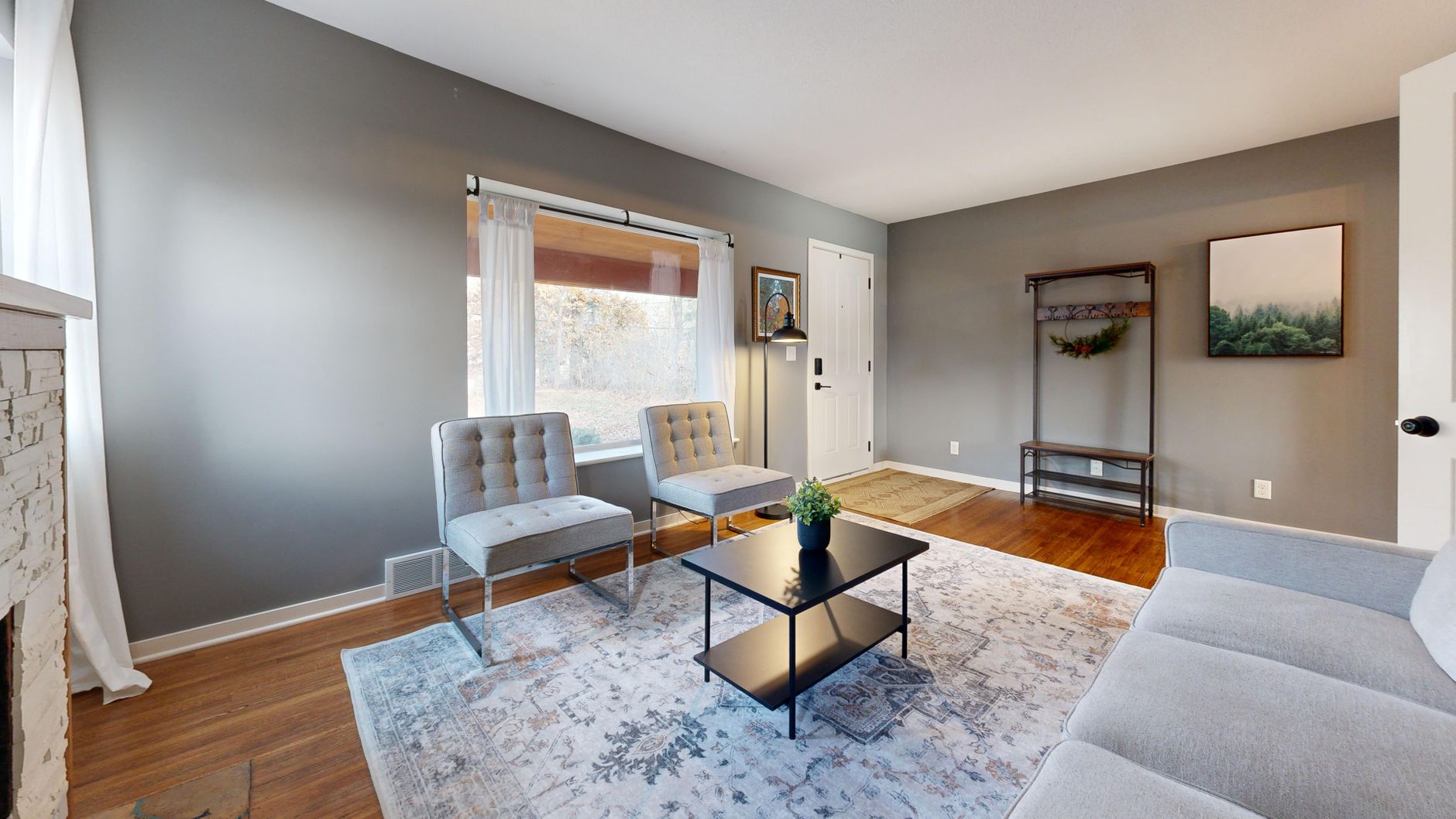
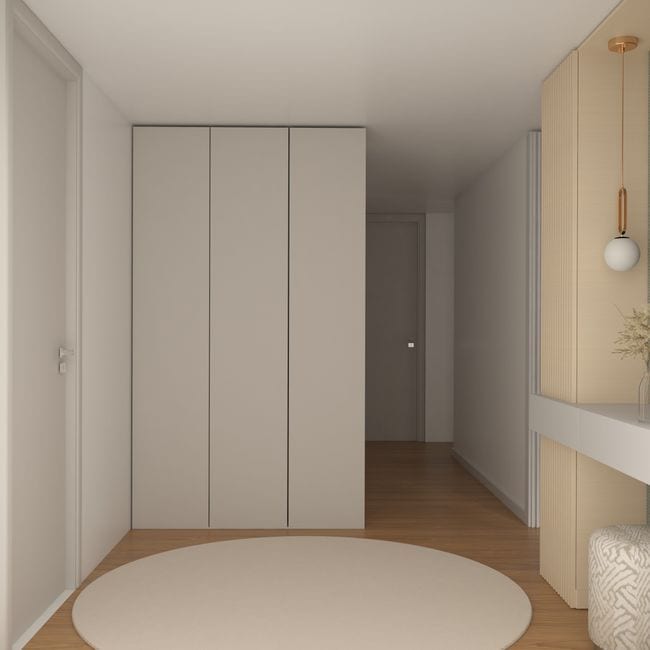
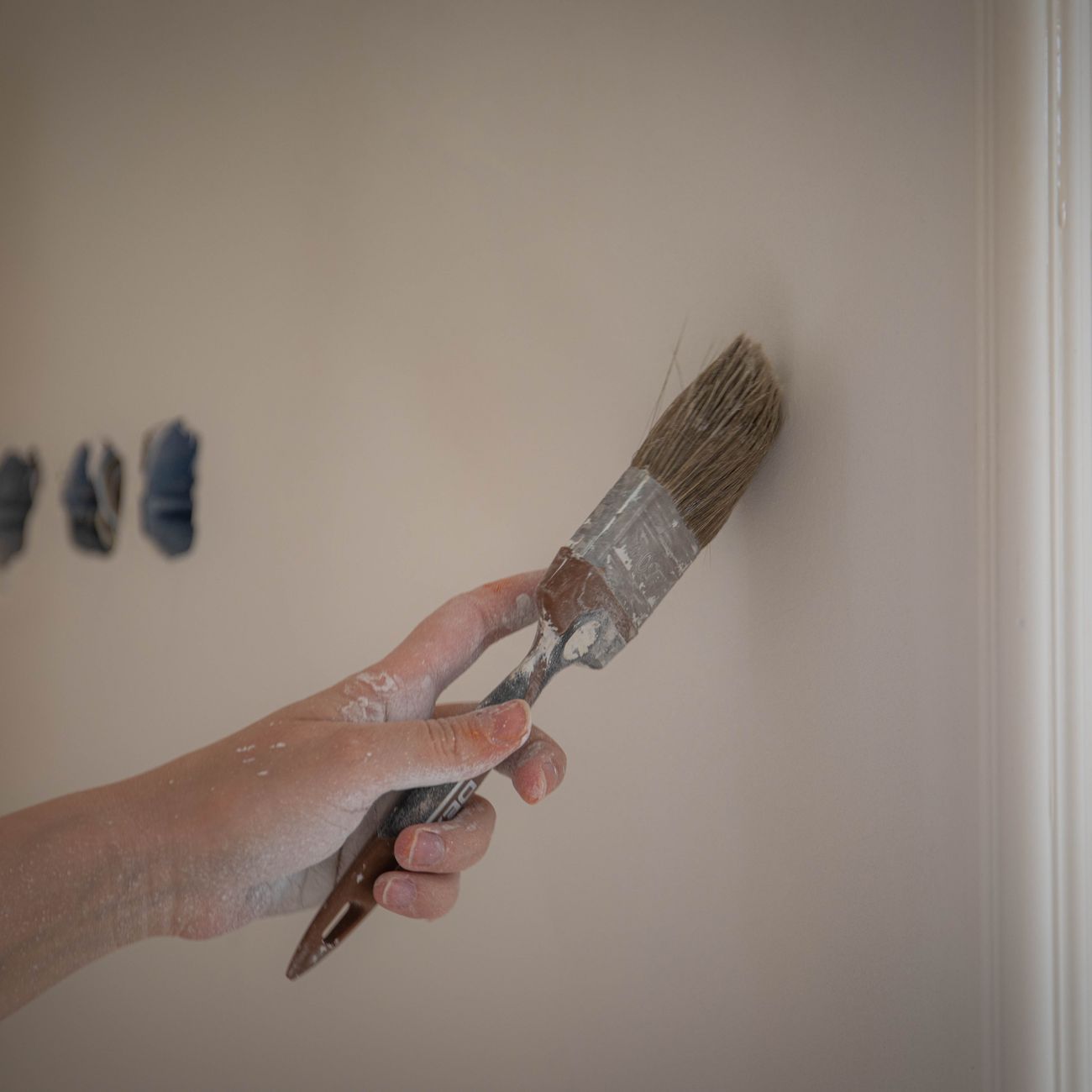
Work booked alongside an interior repaint
Three jobs that come up in the same conversation, each one its own trade.
One wall, or one room of walls
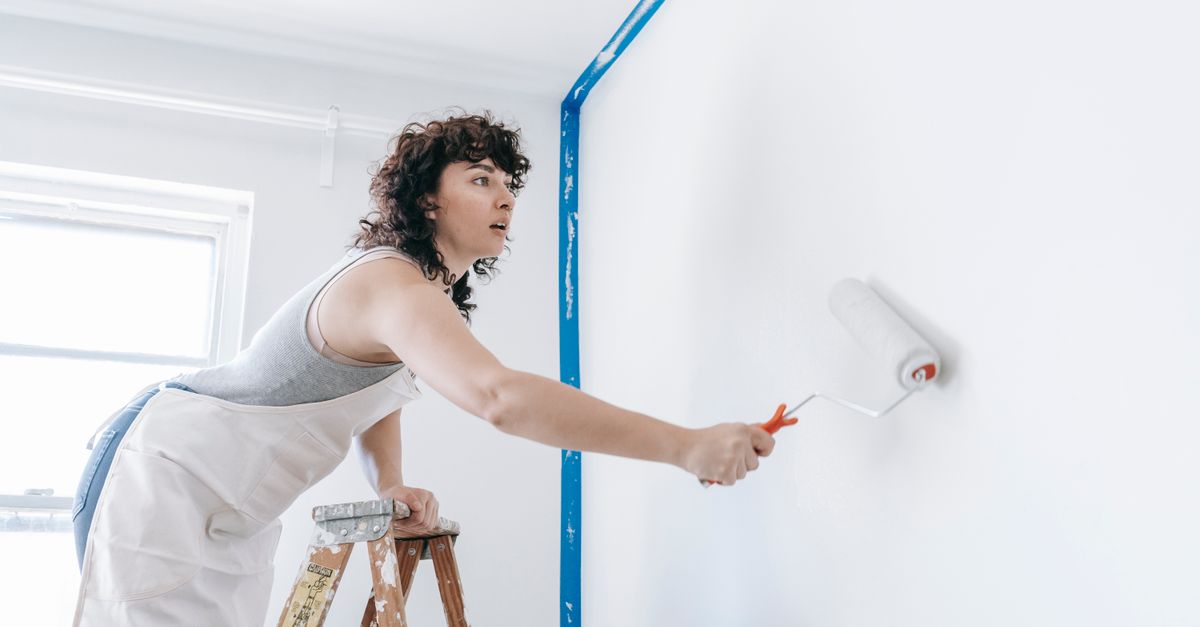
A wall on its own
- A feature wall in a deeper tone
- One room of walls, ceiling staying
- The same filling, sealing and two coats

When the trim needs a carpenter first
Skirting and architraves past filling
- Damaged skirting and architrave replaced
- Scribed to an old uneven wall
- Painted after the repair, not over it
Inside work that cannot stop trading
Offices, shops and strata interiors
- Staged by area rather than by room
- After hours and weekend work
- Harder coatings through corridors and stairwells
Questions people ask before an interior repaint
The ones that come up when the painting is happening inside the house.
Get your interior painting quote
Tell us how many rooms, whether ceilings and trim are in, and whether anyone is living in the house while the work runs. With those three answers the quote is close to final.