
Concreting in Sydney
Concrete sealing in Sydney
Sealers for driveways, patios, paths, pool surrounds and commercial floors across greater Sydney. Concrete is porous, so the sealer is what decides whether oil, wine and rain sit on the surface or soak into the slab and stay there.
Licensed and insured. Same day service.
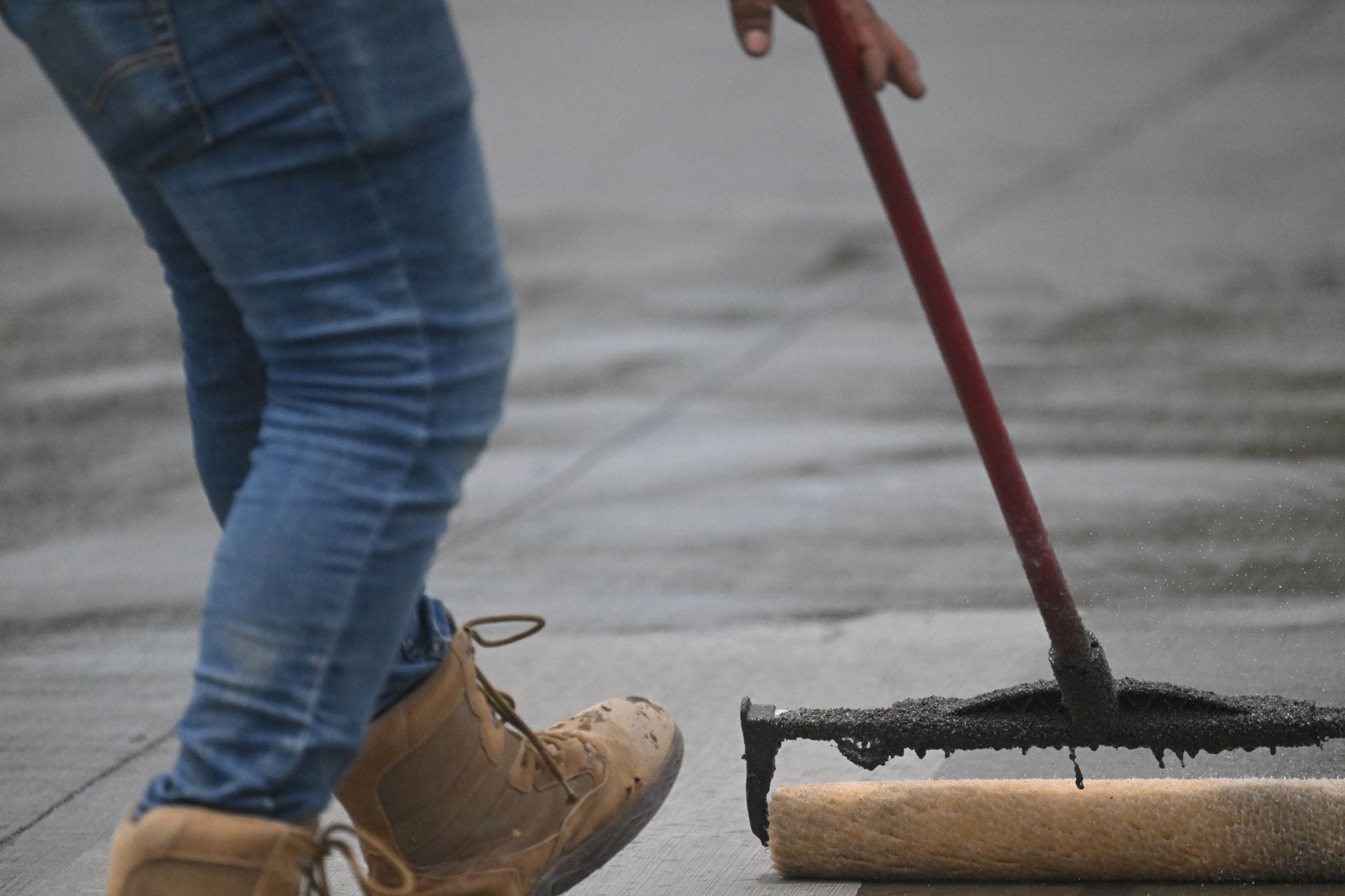
Sealing work
What gets sealed, and what sealing is actually for
Driveways
The surface that takes oil drips, hot tyres and every kind of weather. A sealer keeps all three out of the slab rather than just off the top of it.
See drivewaysPatios and alfresco slabs
Where food and drink land on concrete. Red wine, oil and citrus all mark bare concrete within minutes. A sealed surface buys you the time to wipe it up.
Paths and pool surrounds
Wet most of the time, and the one place where the wrong sealer makes things worse. A glossy film on a smooth wet surface can be more slippery than the bare concrete was.
See slip-resistant finishExposed aggregate and coloured concrete
Decorative finishes get the most out of sealing. The stone darkens, the oxide lifts back up, and an open textured surface that was going to hold dirt stops holding it.
Garage and commercial floors
Slabs that take vehicles, trolleys, dropped tools and spills. Here the sealer gets picked for what is dragged across it rather than for how it looks on the day.
See commercial paintingThe clean that comes first
Nothing bonds to dirt, and nothing at all bonds to oil. A slab that was not properly cleaned and degreased lifts its sealer within months, so the wash is part of the job rather than an extra.
See pressure cleaningSealing is mostly what happens before the sealer
Before anything
How old is the slab
A new pour has to finish curing before anything goes over it, and twenty eight days is the marker the trade works to. Seal it earlier and the water still leaving the concrete has nowhere to go, which is how a film forming sealer ends up milky white a fortnight later.
Then
Wash it, properly
High pressure lifts dirt, algae, leaf stain and anything loose. It is worth doing on its own merits, because a lot of concrete that looks past saving is just dirty. What it does not do is remove oil.
The bit people skip
Degrease, and treat what the wash left behind
A pressure washer pushes oil around and drives some of it deeper. Oil needs a degreaser, rust needs a different product again, and efflorescence, the white bloom that comes up out of the slab itself, has to be taken off rather than covered. Whatever is on the concrete when the sealer goes down is on it permanently.
The step nobody can rush
Let it dry all the way through
Concrete holds water long after the surface looks dry, and that trapped moisture is what pushes a coating back off. This is why sealing follows the weather as closely as exterior painting does, and why a shaded slab on the south side of a house takes considerably longer to be ready than the one baking out the front.
Before the lid comes off
Mask everything it could touch
Sealer does not care what it lands on. Brickwork, render, garden beds, the fence, the garage door and anything parked nearby get covered first, because a run of sealer on a brick pier does not wipe off.
First coat
Thin, and even
The instinct is to lay it on thick. A heavy coat of film forming sealer traps solvent underneath, stays soft, picks up every footprint and can bubble. Two thin coats beat one heavy one, every time, on every product.
Second coat
Crossing the first
The second coat runs across the direction of the first, so the passes cross rather than sit in the same lines. Patchiness either gets corrected here or it gets locked in, and once it is under a cured film the only way back is to strip it.
Then stay off it
Foot traffic, then wheels
Feet go back on well before a car does, and turning a wheel on the spot is the last thing a fresh sealer should have to deal with. The days depend on the product and on the weather that week, so they come with the quote rather than off a chart.
Two kinds of sealer, and the day you reseal
Sealers split into the ones that soak in and the ones that sit on top. They look similar in a brochure and they behave nothing alike in five years.
Soaks into the concrete and reacts with it rather than forming a skin over it. There is no film, so there is nothing to peel, nothing to scuff and nothing to strip when the time comes.
What it looks like. Close to what you already have. It may deepen the colour very slightly, and that is the whole visual change. If you are after the wet look, this is not the product that gives it to you.
Where it wins. Anywhere slip matters, because it leaves the texture of the surface exactly as it found it. Also on any slab where a coating has failed before, and on exposed slabs along the coast, where the job is keeping salt and water out of the concrete rather than putting a shine on it.
The trade off. It protects the concrete, not the surface finish. Oil that sits long enough will still leave a shadow, and it does nothing to make sweeping easier.
Local conditions
What Sydney does to a sealing job
The drying window
A sealer needs a slab that is dry the whole way through and a dry night after it goes on. Through a humid February, with dew most mornings and a southerly arriving without much notice, that window is the thing that moves a sealing date. There is no way around it that does not cost you the finish.
Salt and chlorine
Along the coast, salt works its way into open concrete and crystallises inside it. Around a pool it is chlorinated splash doing something similar. Both are arguments for a sealer that soaks in and keeps working below the surface rather than one that sits on top and wears.
The shaded south side
A path or a slab that never sees direct sun holds moisture for days after rain and grows algae on top of it. That is the surface where a coating fails first, and it is the one that most needs treating rather than just washing.
Oil on a hot slab
A Sydney summer helps oil soak further into open concrete, and the longer a drip sits there the less a degreaser can get back out. An oil mark that is dealt with in the first weeks usually comes out. One that has had two summers on it often does not.
Efflorescence
The white bloom that appears on concrete is salt carried up out of the slab by moisture, and it is common on ground that holds water. It has to come off before a sealer goes on, because sealing over it locks a white haze under the coating for good.
Strata and shared driveways
A shared drive or a common area cannot simply be closed for a day. The work gets staged in halves so there is always a way in and out, the committee usually has to approve it, and the notice goes out before the gear arrives.
Sealed concrete, on the ground
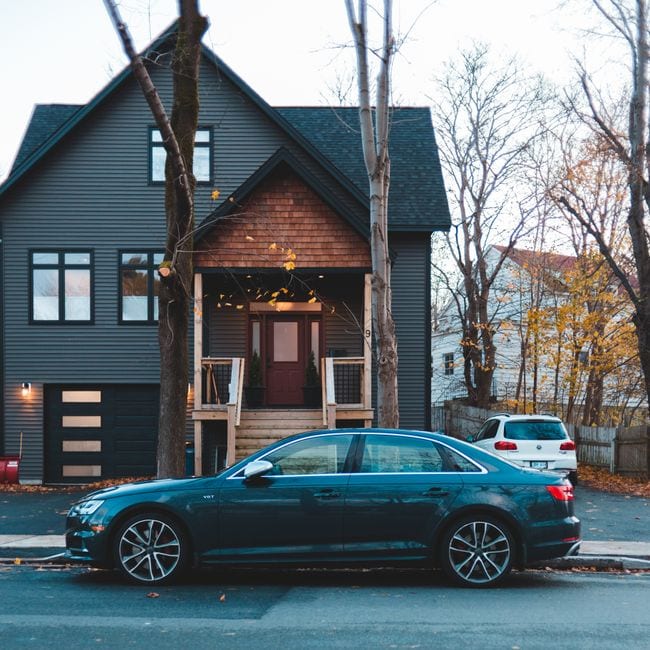
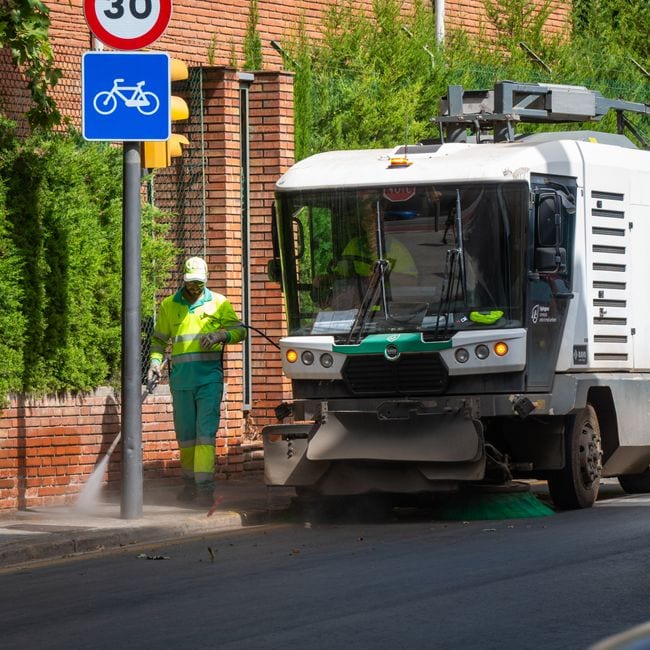
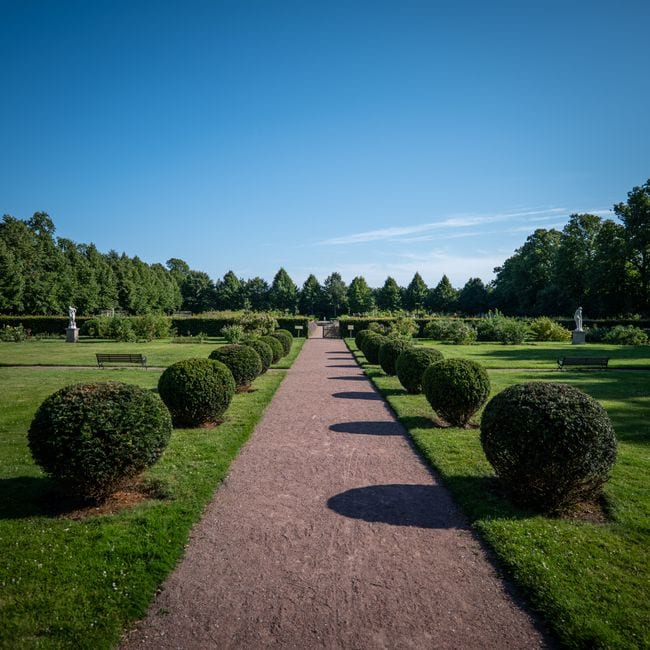
Work that sits either side of a sealing job
Three jobs that come up whenever a slab is being looked at, each one a different answer to a different problem.
Sealing is not slip resistance
Water sitting on top is the point, and the catch
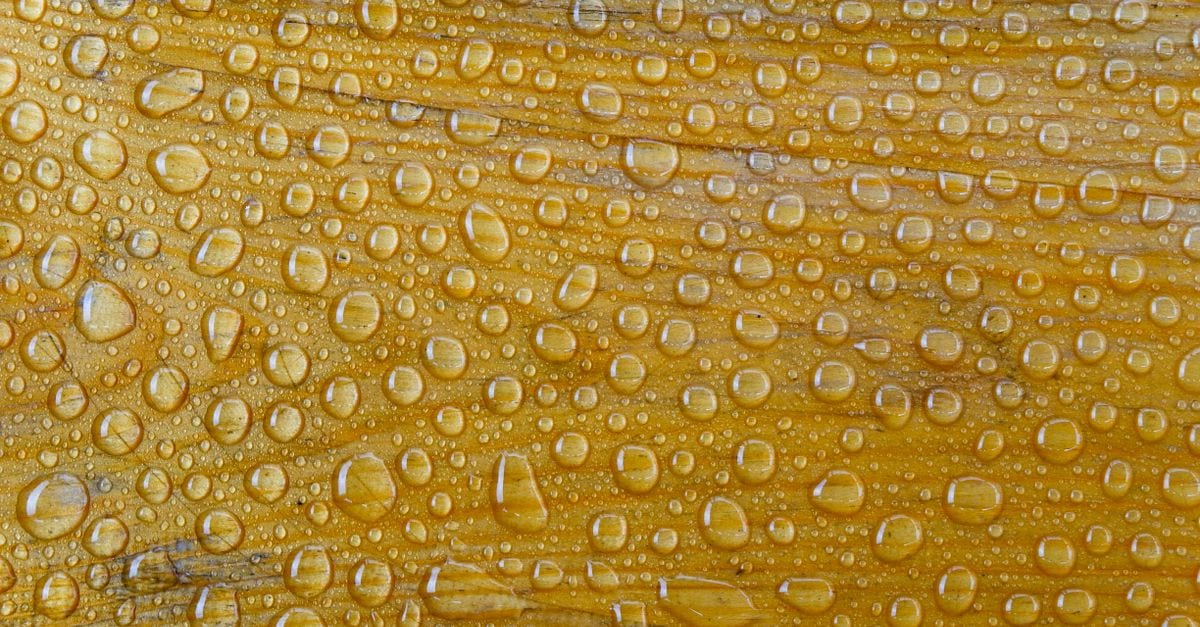
A sealed slab sheds water instead of drinking it, which is exactly what you want for the concrete and not always what you want underfoot. On a smooth surface a glossy film and a film of water are a poor combination, and that is why a sloped drive or a pool surround is a different conversation. The fix is not to skip the sealer. It is to use one that does not gloss up, or to build grip into the coat.
- A penetrating sealer soaks in and leaves the texture alone
- A glossy film on smooth concrete gets slippery wet
- Grip can be built into the coat where the fall is steep
Sometimes the clean is the whole job
A dirty slab does not need sealing yet
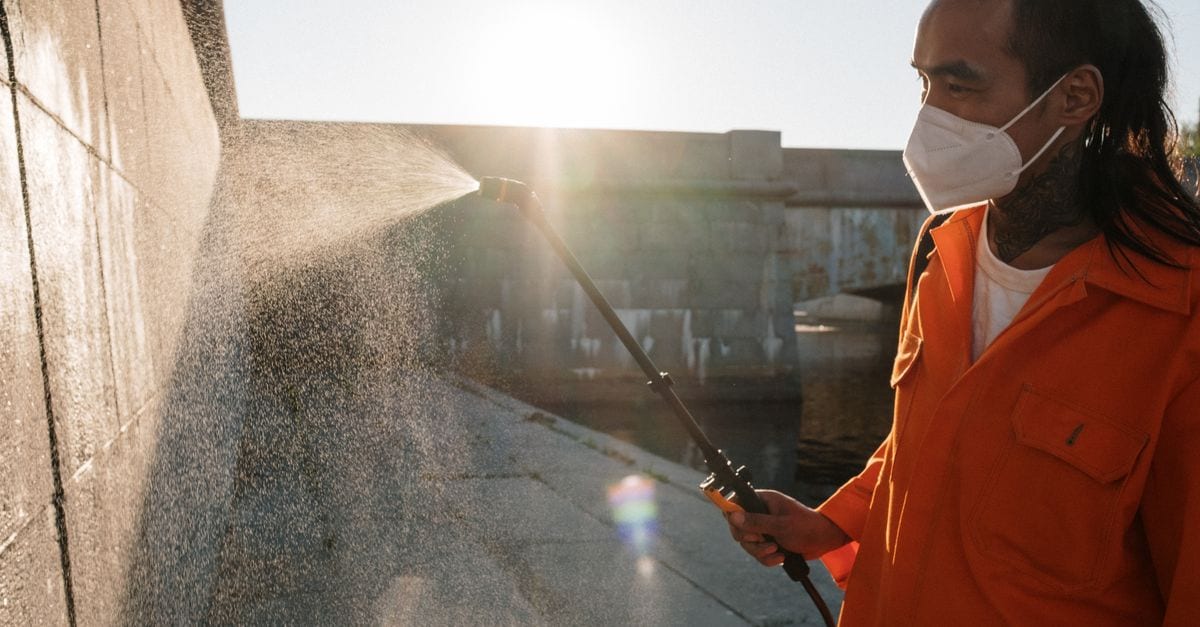
Plenty of concrete that looks finished is just dirty. Algae on a shaded path, leaf stain on a patio and years of grime on a driveway all come off under pressure, and the slab underneath is often fine. That wash is also the first half of a sealing job, so it is never wasted work: if the concrete comes up well you can stop there, and if you want it to stay that way the sealer goes on next.
- Lifts algae, leaf stain, grime and loose material
- Shows you what the slab actually looks like before you commit
- Oil needs degreasing as well, because pressure alone just spreads it
When sealing is the wrong answer
A sealer cannot save a slab that has gone
Sealing is surface protection, not repair. Where a slab has lifted over a root, settled at one end, cracked right through or lost its surface to years of water, a coating over the top buys nothing and hides the evidence. That is a pour, and the honest version of this conversation happens at the quote rather than a year after the sealer went on.
- Fine surface cracks can usually be treated and sealed
- Movement, settlement and a failed surface are a new pour
- Worth deciding before money goes on a coating
Questions people ask before sealing a slab
The ones that come up when a driveway or a patio is being quoted.
Get your concrete sealed
Tell us roughly how big the area is, what the concrete is (plain, coloured or exposed aggregate), whether anything has been put on it before, and whether there is oil on it. That is enough to quote from.