
Bedbug treatment in Sydney
Bedbug treatment for Sydney homes and rentals
Bedbugs are not cleared by a general pest spray. The job is an inspection to confirm it, preparation you do before we arrive, a hand applied treatment of every place they shelter, and a second look once the eggs have hatched.
Licensed and insured. Same day service.
The job
What the treatment covers, and what is yours to do
The bed itself
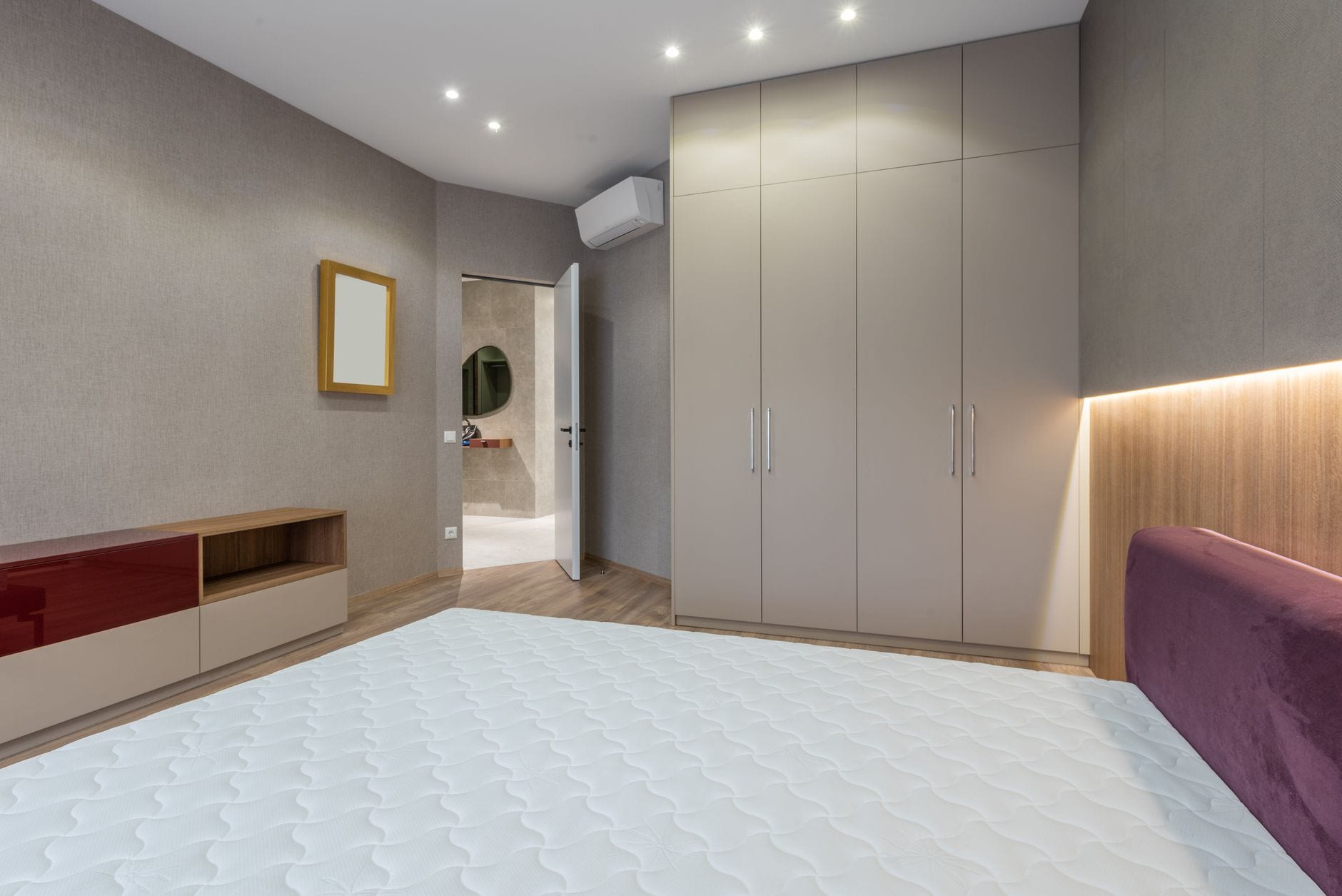
Mattress seams and piping, the base, the slats, the headboard and every joint in the frame. This is where the bulk of a population sits, and it is where the work starts.
The rest of the room
Bedside tables, the wardrobe, the carpet edge, the curtain hem, behind a picture frame and inside a power point surround. They will shelter anywhere within a few metres of a sleeping person.
Skirting and wall junctions
The gap behind loose skirting and the line where the wall meets the floor is the standard harbourage once a population has spread off the bed, and it is the one most often missed.
The rooms either side
In a terrace, a unit or a share house the inspection does not stop at one door. A treated bedroom next to an untreated lounge where somebody has been sleeping is a treatment that will fail.
The hot wash is yours
Bedding, clothing and soft items go through a hot wash and then a hot dryer cycle, and into sealed bags afterwards. It is the heat in the dryer that kills the eggs, not the wash.
What we do not do
We do not remove or dispose of furniture, and we do not launder your things. If a mattress has to go, it goes after the treatment and wrapped, not dragged down the hallway first.
Why bedbugs take two visits
First
Confirm it is actually bedbugs
Bites confirm nothing on their own, because people react to them very differently and plenty of people do not react at all. What confirms it is the evidence: dark specks along a mattress seam, shed skins in the joints of the frame and the slats, and live insects in the base. A treatment run on a guess costs you a preparation day for nothing.
Before the visit
What you do, and it matters
Strip the bedding and run it through a hot wash and then a hot dryer cycle, and seal it in bags. Clear the floor around the bed, and empty the bedside tables and the base of the wardrobe so there is something to treat. Do not start moving mattresses or bags of clothes into other rooms, because that is exactly how one room becomes three.
On the day
Treatment where they shelter
The bed is broken down and the seams, the joints, the slats and the frame are treated, then the carpet edge, the skirting line, the furniture in the room and the wall junctions. It is slow, close work with a torch, and it is applied by hand rather than fogged, because a fog does not get inside a mattress seam.
Then
The gap you have to sit through
Eggs do not die with the adults. They hatch across the following days and weeks, which is why you can still see activity after a treatment that worked perfectly. Keep sleeping in the same bed in the same room. Moving to the couch is the single most reliable way to spread them through the house.
The second visit
Catch what has hatched
The follow up deals with what has come out since the first treatment. The gap between the two is deliberate rather than slow, because coming back too early means coming back again. The inspection at that visit is what tells you where the job actually stands.
After that
Keeping them out
They arrive on luggage, on second hand furniture and on visitors. Checking the seams of a hotel mattress before you unpack, and keeping second hand bed frames and lounges out of the house until somebody has been over them, is what most repeat infestations come down to.
Preparation, treatment and the follow up
Three parts, and the first one is yours. A treatment in an unprepared room reaches a fraction of what it should.
Preparation is not tidying up for visitors. It is what decides how much of the population the treatment can actually reach, and an unprepared room gives up a large part of it before anybody arrives.
Wash and bag. Bedding, clothing and soft items out of the affected rooms, through a hot wash and then a hot dryer cycle, and straight into sealed bags. The dryer is the part that kills eggs. Bags stay sealed until after the follow up.
Clear, do not empty. Floor clear around the bed, bedside drawers and the base of the wardrobe emptied, clutter off the carpet edge. Vacuum the room, then take the vacuum outside, empty it into a bag and seal it.
What not to do. Do not carry mattresses, bags or furniture into other rooms. Do not start sleeping somewhere else. Do not set off a supermarket fogger, which repels them deeper into the walls and into the rooms either side and turns one job into several.
Local conditions
What a Sydney property adds to a bedbug job
Apartments share more than a wall
In a block they move along a shared wall through the cavity, a power point surround or a service penetration. Treating one lot beside an untreated one is how a job repeats itself a month later.
Terraces and semis
A party wall and an old cavity give them a route from next door, and a narrow house means every room is within carrying distance of the bed. The inspection has to take in more than the bedroom.
Short stays and share houses
Rooms that turn over weekly carry the highest risk in the city, and in a share house one untreated room will reseed the others inside a month. Book the house, not the room.
Hard rubbish on the kerb
A mattress or a lounge left out on a Sydney footpath is often out there for a reason. Taking one home is the most common way a clean house picks up bedbugs.
Gapped boards and loose skirting
An older house with timber floors has harbourage a carpeted room simply does not, and the gaps behind a loose skirting board have to be treated as part of the room rather than skipped.
Coming home from a trip
Sydney is a port and an airport city and luggage is the usual arrival route. Checking the seams of a hotel mattress before you unpack, and keeping the case off the bed, costs you a minute.
Three things that decide whether it works
The parts of a bedbug job that are not ours to do, and the one most people get wrong.
The evidence
What confirms it, and what does not
Bites are not proof. People react to them very differently and a good number of people do not react at all, so a room is treated on evidence rather than on a rash. The evidence is in the bed: dark specks along the mattress seam and the piping, shed skins in the joints of the frame and the slats, and live insects in the base rather than on the sheet.
- Dark specks along the mattress seam and piping
- Shed skins in the joints of the frame and the slats
- Live insects in the bed base, not just a mark on your arm
Between the visits
Keep sleeping in the same bed
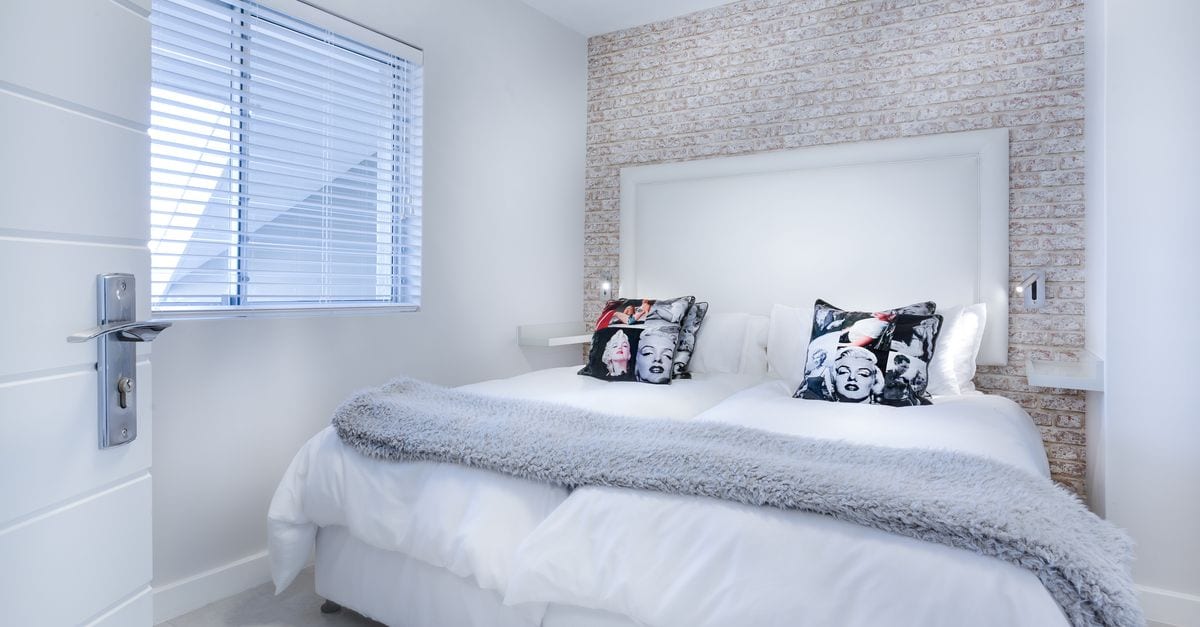
It feels wrong, and it is the most important thing you will do. Bedbugs navigate towards the carbon dioxide you breathe out. Move to the couch or the spare room and they follow you there, and a one room job becomes a three room job. The bed is remade and slept in as normal, which is also what draws them back onto the surfaces that were treated.
- Do not move to the couch or a spare room
- Do not shuffle the mattress into another room
- Do not unbag the washing until after the follow up

Renting or sharing
Who else has to know
In a rental it is worth putting to the agent or the landlord in writing as soon as you have evidence, and keeping a copy, because who wears the cost usually turns on when and how they arrived. In a share house or a block of units, a treated room beside an untreated one is a job that comes back. Say up front how many bedrooms and how many people, so the inspection covers the right doors.
- Report it to the agent in writing, and keep the copy
- Say how many bedrooms and how many people are in the house
- One untreated room will reseed the rest
Two other pest jobs are often booked off the back of this one.
Bedbug treatment questions answered
The questions that come up once bedbugs have been confirmed.
Book your bedbug treatment
Tell us how many rooms, how many people are sleeping in the house, and what you have actually found on the mattress seam or in the bed frame. If it is a rental or a share house, say so, because it changes who needs to know.